The Great Smog Of London
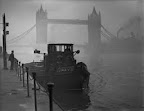
The Great Smog of London, also known as the Big Smoke, was a severe air pollution event that occurred in London, England, in December 1952. It was one of the deadliest environmental disasters in history and had a big impact on public health. The smog event lasted for five days, from December 5 to December 9, 1952. It was characterized by a combination of cold weather, fog, and a high concentration of pollutants in the air, primarily from coal burning for domestic heating and industrial activities. The smoke and sulfur dioxide emissions from coal combustion mixed with the fog to create a thick, yellowish smog that blanketed the city. The smog severely affected visibility, causing traffic accidents and disrupting transportation. The high levels of pollutants, particularly sulfur dioxide and particulate matter, led to respiratory problems and exacerbated existing health conditions. Thousands of people fell ill, and the smog is estimated to have caused the premature deaths of at leas...


.jpeg)
